

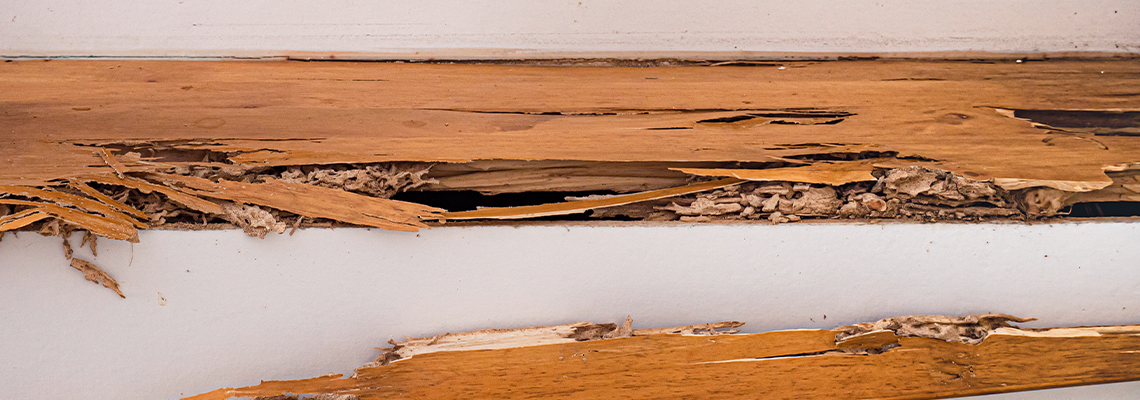
When "Treatment-Only" Warranties Fail: Holding Alabama Exterminators Liable for Catastrophic Structural Wood Damage
Discovering that your home is quietly being eaten away from the inside out is a terrifying experience. You pay your pest control company every year, trusting that their treatments and inspections are keeping your biggest asset safe.
Finding out that active pest infestations have caused severe structural damage is heartbreaking enough. But reading the fine print of your contract and seeing a "treatment-only" clause—where the company claims they're only responsible for spraying more chemicals, not fixing the thousands of dollars in wood rot and ruined framing—feels like a complete betrayal.
You don't have to absorb the ruinous repair costs of pest infestation negligence just because an exterminator hid behind clever fine print. At The Seawell Firm, LLC, we stand up for property owners when pest control companies fail to do their jobs and try to dodge responsibility.
We serve clients in Mobile, Alabama, as well as throughout Baldwin County and Mobile County, including the cities of Fairhope and Daphne. If you're dealing with unaddressed property loss due to termite damage, reach out to us today for a free consultation.
Uncovering the Trap of Treatment-Only Contract Clauses
Pest control companies frequently market their annual service agreements as total protection for your home. Yet, when active infestations cause major structural harm, homeowners often discover they're holding a "treatment-only" bond. Exterminators use these clauses to limit their financial risk while continuing to collect annual renewal fees:
Fine print exclusions: Companies bury liability waivers in dense contract language that most homeowners never notice when signing up for routine protection.
False sense of security: Annual inspection stamps lead property owners to believe their home is fully guarded, causing them to miss early warning signs.
Shifted repair costs: The exterminator attempts to force the homeowner to pay out-of-pocket for structural repairs caused by the company's failed inspections or treatments.
While pest companies rely on these clauses to protect their bottom line, Alabama courts don't always give them a free pass. When an exterminator acts negligently or misrepresents their services, these liability shields can break down under legal scrutiny.
Proving Exterminator Negligence Despite Contract Disclaimers
A treatment-only clause doesn't give a pest control company permission to perform careless work. If their failure to perform basic duties causes extensive termite damage, they can often be held accountable regardless of contract wording.
Building a strong claim against a negligent exterminator requires gathering clear evidence of failure:
Inadequate inspection records: Proving that technicians rushed through mandatory annual checks, missed visible mud tubes, or failed to access crawlspaces.
Improper chemical application: Showing that the company failed to maintain a continuous chemical barrier in the soil according to state regulations and product label instructions.
Concealed active infestations: Demonstrating that inspectors knew about ongoing active colonies or moisture problems but failed to inform the property owner.
Holding a company accountable requires showing that their breach of contract or substandard care directly led to structural ruin. Working with an experienced lawyer allows you to cut through corporate excuses and establish clear liability for your property losses due to termite damage.
Challenging Deceptive Practices and Fraudulent Misrepresentation
In many cases, holding a pest control company liable goes beyond simple breach of contract. If an exterminator misled you about the quality of their protection or hid active structural issues during annual visits, you may have grounds for fraud or deceptive trade practice claims under state law.
Exterminators cross the line into actionable misrepresentation through several common practices:
Misleading sales pitches: Promising "complete home protection" verbally while delivering a contract that excludes structural repairs.
Falsified inspection reports: Marking crawlspaces or attics as "inspected" on official forms when technicians never actually entered those areas.
Concealing ongoing damage: Failing to disclose visible swarmers, wings, or damaged wood during routine visits to prevent you from filing a timely claim.
Fraud claims are powerful because they can bypass fine-print contract limitations entirely. If a company used deceit to keep collecting your annual fees while your home deteriorated, Alabama law provides pathways to recover substantial damages.
Pursuing Compensation for Structural Repairs and Related Losses
Repairing hidden wood destruction requires far more than replacing a few floorboards. Severe structural decay often forces homeowners to strip walls down to the studs, jack up foundations, and replace load-bearing support beams. When bringing a legal claim against a negligent pest control operator, you can pursue compensation across several categories:
Direct repair costs: Funding the complete restoration of floor joists, sills, wall studs, and headers damaged by unchecked pest activity.
Temporary housing expenses: Covering hotel or rental costs if severe structural harm renders your home unsafe to live in during repairs.
Diminished property value: Recovering loss of market value caused by the stigma and history of severe home structural degradation.
Punitive damages: Seeking additional financial penalties against companies that engaged in intentional fraud or gross negligence.
Recovering these damages requires thorough documentation from licensed structural engineers and repair contractors. Documenting every dollar spent makes sure that the pest company—not your family—bears the financial burden of their mistakes.
Protecting Your Home and Seeking Justice for Termite Damage
Facing major termite damage because an exterminator failed to protect your home is exhausting, but you don't have to fight corporate pest companies and their insurers alone. Treatment-only clauses are designed to intimidate homeowners, but they aren't an absolute shield against negligence, fraud, and deceptive business practices.
At The Seawell Firm, LLC, our attorney fights tirelessly to hold careless pest control companies accountable and secure the financial recovery our clients need to rebuild their homes. We’re proud to advocate for property owners suffering from severe termite damage in Mobile, Alabama, throughout Baldwin County and Mobile County, including the cities of Fairhope and Daphne. Reach out to us today to discuss your case and learn how we can help you fight back.